OpenAI Stops Sora Video Generations of Martin Luther King Jr.
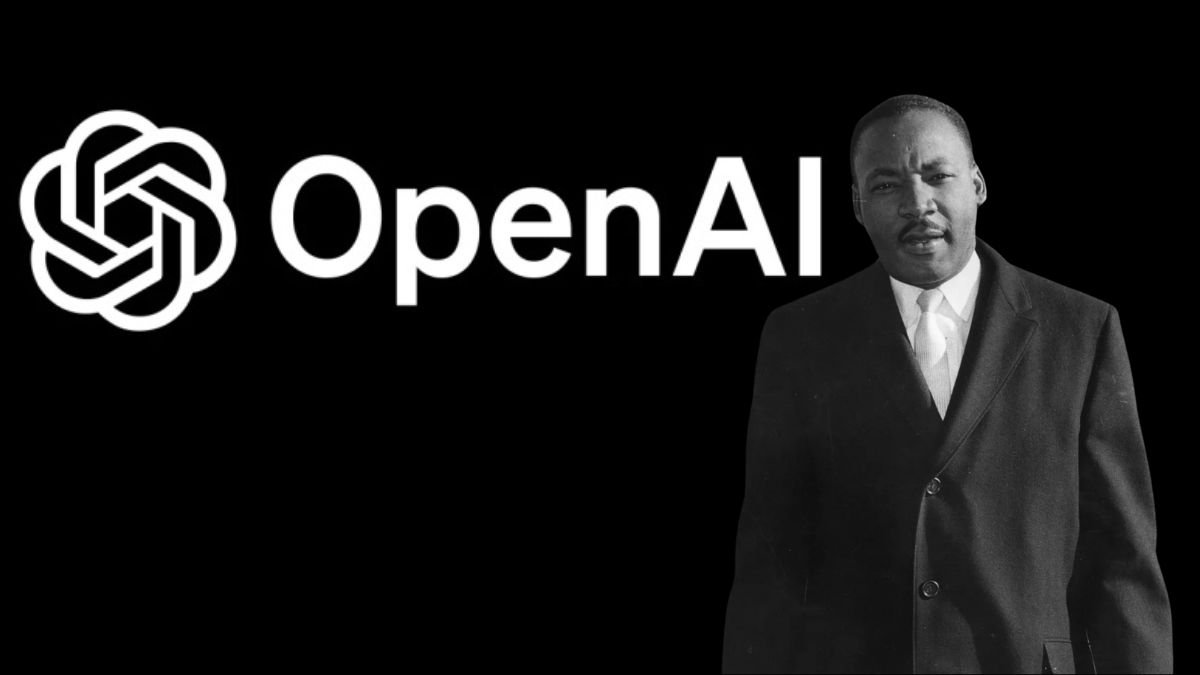
OpenAI has made a big change in its AI video generation abilities. The company said it will stop users from making videos that look like the late civil rights leader Martin Luther King Jr. using its Sora AI model.
This choice was made because some users made “disrespectful depictions” of Dr. King. It shows the tough balance between free speech and showing respect for historical figures and their families.
The decision highlights the complex issues with AI-generated content and its effects on society. As AI technology gets better, companies like OpenAI must find the right balance between innovation and being responsible.
OpenAI’s Decision to Restrict MLK Jr. Content on Sora
OpenAI decided to limit MLK Jr. content on Sora after hearing from Dr. King’s estate. They worked together to make sure Dr. King’s image is treated with respect in Sora.
Timeline of the Announcement
The news came after OpenAI and Dr. King’s estate talked things over. They didn’t share exact dates for the changes. But, they wanted to stop any disrespect to Dr. King’s image.
Official Statement from OpenAI
OpenAI said it’s all about respecting public figures and their families. They’re serious about AI ethics and content moderation. This means they want to make sure their platforms are used right.
They also talked about working with Dr. King’s estate. This shows their dedication to protecting his legacy.
Understanding Sora: OpenAI’s Text-to-Video AI Model
Sora is OpenAI’s latest innovation. It’s a text-to-video AI model that makes realistic videos. This tech could change many fields, like entertainment and education, by making high-quality video content easier to create.
Technical Capabilities of Sora
Sora’s technical capabilities focus on making videos from text prompts. It uses complex algorithms to understand and act on the text. This means it can create videos that look like real scenes or historical events.
This has sparked both excitement and worries about its uses.
Previous Content Policies and Safeguards
OpenAI had content policies and safeguards before. These were to stop Sora from being used for bad things, like making disrespectful content. But, it made videos that were not respectful to figures like Dr. Martin Luther King Jr. This shows we need stronger rules and better protection.
OpenAI Pauses Sora Video Generations of Martin Luther King Jr.
OpenAI has paused Sora video generations of Martin Luther King Jr. This move shows the company’s dedication to making sure its AI content is respectful and accurate. It’s a big deal, as it involves historical figures.
OpenAI says this pause is a safety step. They want to make sure their AI doesn’t make mistakes with famous people. “We are working to strengthen our guardrails for historical figures to prevent similar incidents in the future,” said an OpenAI spokesperson.
Specific Restrictions Implemented
OpenAI has put new rules on Sora to stop videos with Martin Luther King Jr. These rules are part of a bigger plan to improve how they handle content. They want to stop AI from being used in bad ways.
They’ve also set up better ways to watch and catch any misuse of Sora. This way, they can stop videos that might disrespect or mislead people about historical figures.
Detection and Prevention Mechanisms
OpenAI is working on new ways to catch and stop bad content. These tools are meant to find and block videos that are not okay. They’re getting better at this all the time.
Key features of these mechanisms include: – Enhanced content monitoring to detect possible misuse – Advanced algorithms to spot and block bad content – Always improving the rules for historical figures
Experts say this is very important. “The development of robust detection and prevention mechanisms is key in stopping AI misuse.” This shows how serious OpenAI is about keeping their content in check.
“The responsible development of AI requires a careful balance between innovation and respect for historical figures.”
— AI Ethics Expert
Historical Significance of MLK Jr. and Content Sensitivity
Martin Luther King Jr. was a key figure in the civil rights movement. His work continues to inspire fights for equality and justice. When AI creates content with MLK Jr., it’s important to be careful.
MLK Jr.’s Legacy and Cultural Impact
Martin Luther King Jr. changed America with his fight for civil rights. His use of nonviolent protest and powerful speeches helped start important conversations. His work’s cultural impact is seen in today’s social justice movements.
Risks of AI Misrepresentation of Historical Figures
Using AI to create content with historical figures like MLK Jr. comes with big risks. Dr. King’s estate is worried about AI misuse. They want OpenAI to stop making videos with Dr. King. This shows we need to be careful and respectful when using AI to honor historical figures.
Ethical Concerns Behind the Decision
As AI technology gets better, we must tackle ethical issues like deepfakes and misinformation. The launch of Sora, OpenAI’s text-to-video AI model, has sparked a big debate. People are worried about AI-generated videos, like those of historical figures like Martin Luther King Jr.
The choice to stop Sora from making videos of Dr. King shows the challenge of mixing innovation with respect for history. This pause is a step to avoid risks from AI content.
Potential for Deepfakes and Misinformation
AI videos can lead to deepfakes that might confuse people or change history. Deepfakes swap someone’s face with another’s, often for bad reasons. This is a big worry when it comes to famous historical figures.
OpenAI’s move shows we need strong ways to stop AI misuse. Keeping information real and trustworthy is key to keeping faith in media and history.
Balancing Innovation with Respect for Historical Figures
Innovation in AI is important, but so is respecting historical figures. OpenAI has to find a balance between pushing tech forward and keeping history true.
By stopping Sora from making Dr. King videos, OpenAI shows it cares about ethics. This shows they’re thinking about the right use of AI.
Reactions from Civil Rights Organizations and Tech Community
OpenAI’s decision to stop Sora video generations of figures like Martin Luther King Jr. has caused a stir. It has led to a variety of reactions. Some support the move, while others call for stricter rules on AI content.
Statements from MLK Jr.’s Family and Estate
Dr. Bernice King, Dr. King’s daughter, asked people to stop sending her AI videos of her father. The King estate also spoke out. They stressed the need for careful AI development to honor historical figures’ legacies.
Technology Ethics Experts’ Perspectives
Technology ethics experts have shared their thoughts on the matter. They highlight the need for AI ethics rules to prevent deepfakes and misinformation. They believe the tech community must unite to set standards for AI models like Sora.
The civil rights organizations and tech world are joining forces. They aim to protect historical figures’ integrity while encouraging innovation.
Technical and Policy Challenges in AI Content Moderation
OpenAI’s pause on Sora video generations of Martin Luther King Jr. shows the big challenges in AI content moderation. As AI gets better, making good moderation policies is more critical. These challenges involve finding and understanding inappropriate content and its historical and cultural context.
AI content moderation is hard because AI can look real and mimic famous people. This makes it tough to know what’s okay and what’s not. Also, AI is used all over the world, so it must follow many different laws and cultures.
Similar Restrictions by Other AI Companies
OpenAI isn’t the only one dealing with these issues; other AI companies face the same problems. For example, text-to-image model developers have rules to stop misuse of famous people. These steps show that the whole industry is working hard to keep AI use responsible.
Industry leaders are always updating their policies to meet new challenges. This shows they are serious about AI ethics.
Evolution of AI Ethics Guidelines for Public Figures
Creating AI ethics rules for public figures is an ongoing effort. It’s about finding a balance between new tech and respect for history and culture. As AI gets smarter, so must the rules, with input from experts in ethics, history, and culture.
This teamwork is key to making good rules for AI content with public figures. It helps tackle the complex issues that come with it.
Conclusion: The Future of Ethical AI Content Generation
OpenAI’s pause on Sora video generations of Martin Luther King Jr. shows the challenges in AI ethics. As AI gets better, we must tackle the ethical issues in AI content.
OpenAI CEO Sam Altman felt uneasy about Sora from the start. This shows we need to be careful with AI. We must find a balance between new tech and respect for history and culture.
As AI grows, companies must think about its impact on society. Making rules and guidelines will help shape AI’s future. This is key for AI content generation.
By focusing on ethical AI, we can use AI for good. We can make content that’s both engaging and respectful. The future of AI is about more than tech. It’s about values and creating a better, more informed world.